Published: 19 February 2026
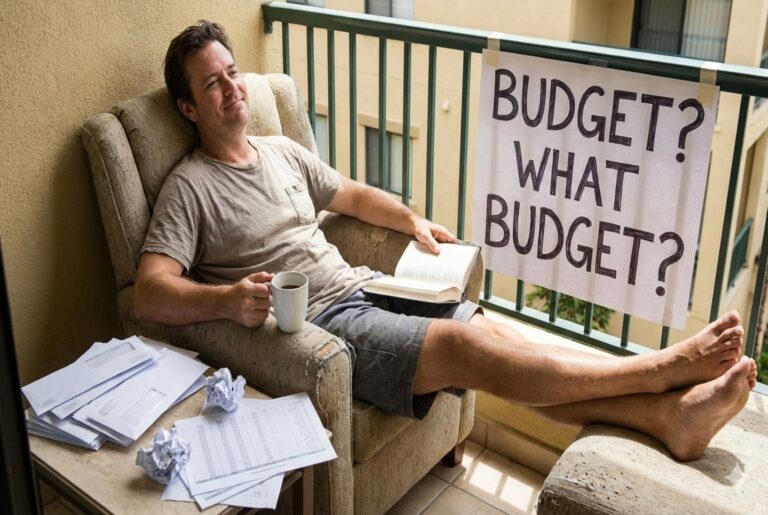
Taking time off as a small business owner can feel risky. When you’re self-employed or running a limited company, stepping away from work often means stepping away from income. Unlike employees who continue to receive paid annual leave, business owners must plan carefully before taking extended time off.
However, rest isn’t optional it’s essential.
Without proper downtime, burnout becomes a serious risk, particularly for sole traders and company directors managing client work alongside bookkeeping, tax deadlines, and daily operations.
The good news? With proper financial planning and structured cash flow management, taking time off doesn’t have to threaten your business stability.
At Direct Assist Accountants, we regularly help clients plan ahead so they can take time away confidently, knowing their finances remain under control.
Let’s look at what really happens financially when you step away and how to prepare properly.
Even if income slows down, your fixed costs will continue.
Before taking a month off, you need clarity on what payments will still be due, including both business and personal commitments.
These may include:
Loan repayments
Rent or mortgage payments
Utilities
Software subscriptions
Banking fees
Vehicle tax and insurance
Staff salaries (if applicable)
Mobile phone and broadband
Professional memberships
Tax liabilities (VAT, PAYE, Corporation Tax, Self Assessment)
Understanding these outgoing commitments helps you determine how much financial cushion you need before stepping away.
Time off isn’t only about cash flow — it’s also about client expectations.
Taking leave during a critical deadline period can disrupt operations or damage relationships. Planning ahead is key.
To minimise disruption:
Inform clients early about your planned absence
Complete priority projects before leaving
Schedule work to avoid deadline clashes
Set up clear out-of-office communication
In some cases, business owners plan breaks between contracts. However, for many small businesses, that isn’t practical. Strong communication and workflow planning help protect both income and reputation.
The biggest risk when taking time off isn’t losing work — it’s poor timing of payments.
Before stepping away, you should:
Issue all outstanding invoices
Follow up on overdue payments
Review your bank balance
Check upcoming tax deadlines
Forecast expected income and expenses
Cash flow forecasting gives you visibility over potential shortfalls. When you know exactly what’s coming in and going out, you can step away without financial stress.
This is where professional financial oversight makes a difference.
Sometimes stepping away from work isn’t a choice.
Illness, injury, or personal emergencies can force self-employed individuals to stop working unexpectedly. Unlike employees, sole traders and company directors don’t receive statutory sick pay in the same way.
Without preparation, even a few weeks away can create financial strain.
This is why many business owners consider income protection or contractor insurance policies. Having financial protection in place prevents a temporary setback from becoming a long-term financial problem.
While insurance provides protection, structured financial planning provides prevention.
Whether you’re taking one week or one month, preparation reduces risk significantly.
Here are practical steps to follow:
Aim to hold at least one month of business and personal expenses in savings.
Maximise incoming payments before you leave.
Check VAT returns, Corporation Tax, PAYE, or Self Assessment deadlines in advance.
Set up direct debits or schedule early payments to avoid missed deadlines.
Assess whether your current income supports your planned break comfortably.
Set clear expectations with clients regarding availability and response times.
When finances are structured and predictable, taking time off becomes manageable rather than stressful.
Taking extended leave is far easier when you have professional financial support.
An accountant can:
Review your cash flow position
Forecast income during your absence
Identify upcoming tax liabilities
Highlight potential shortfalls
Ensure compliance deadlines are covered
Provide clarity on how long you can comfortably afford to step away
At Direct Assist Accountants, we help sole traders and limited company directors plan strategically so their business remains stable — even when they’re not actively working.
Financial clarity reduces uncertainty. When your numbers are organised and up to date, you can disconnect properly and return refreshed, rather than returning to financial chaos.
Taking time away from your business should support your wellbeing — not damage your finances.
With strong cash flow management, proactive tax planning, and professional support, you can replace:
Financial uncertainty with clarity
Cash flow anxiety with forecasting
Stress with structured planning
If you’re considering time off and want to ensure your finances remain secure, speak to Direct Assist Accountants today.
We’ll help you plan properly — so you can take the break you deserve with confidence.
👉 Contact Direct Assist Accountants today for a free consultation or instant online quote.
Direct Assist Chartered Certified Accountants helping businesses make smarter financial decisions.
Excellent rating
Based on 84 reviews
(0203) 633 2018
info@directassistaccountants.co.uk
Provide your details and one of our experts will be in touch.